
In the quiet forestlands of Brgy. Malao-a, Calantas in Tayabas City, a growing movement is proving that small acts, when done consistently, can lead to lasting change. The Rotaract Club of Lucena South, together with its partners, recently carried out the third installment of its environmental initiative, Thousand Trees of Hope 3.0: Rooting Hope, Growing Tomorrow!—a project that continues to nurture both land and community.
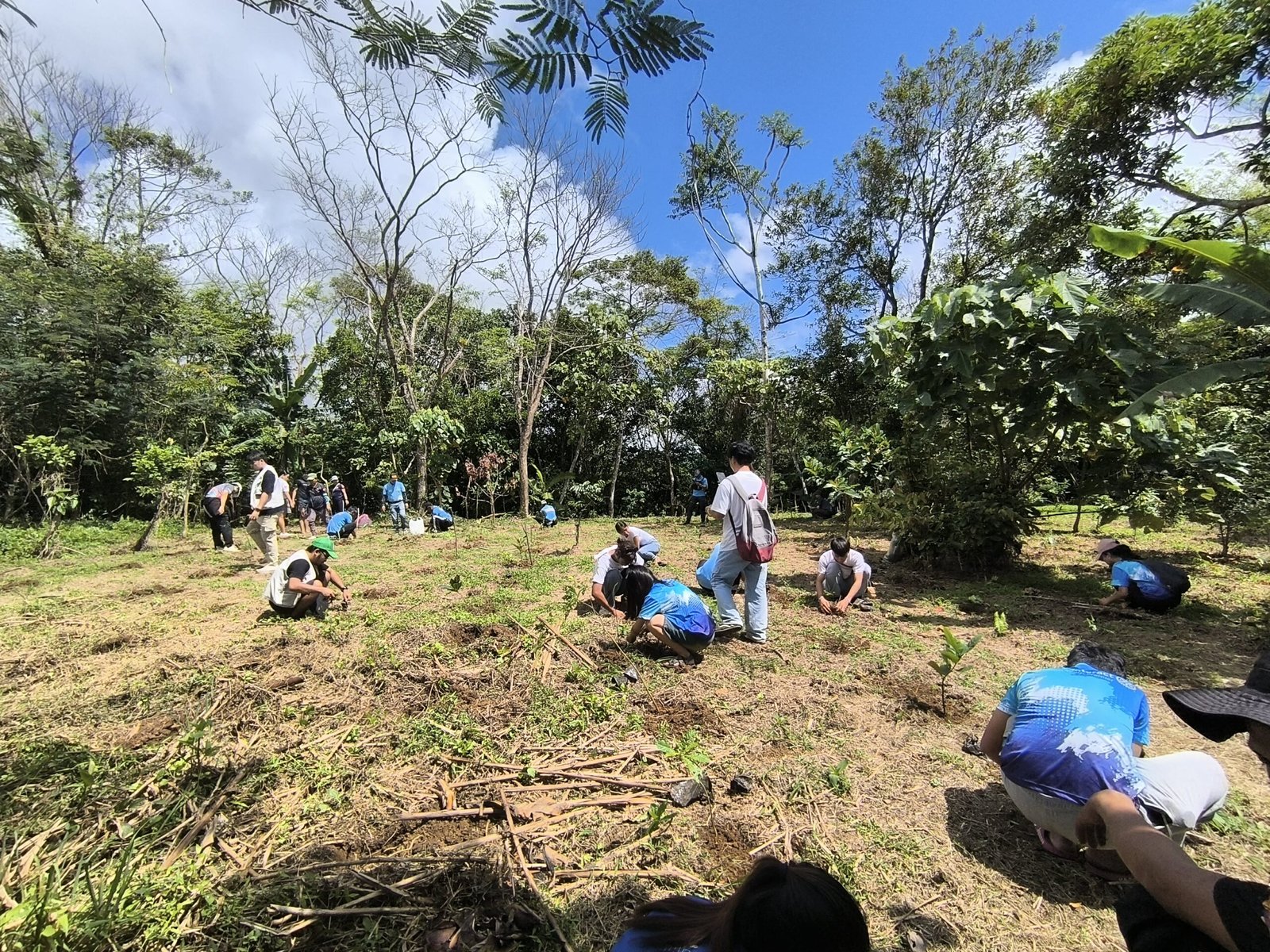
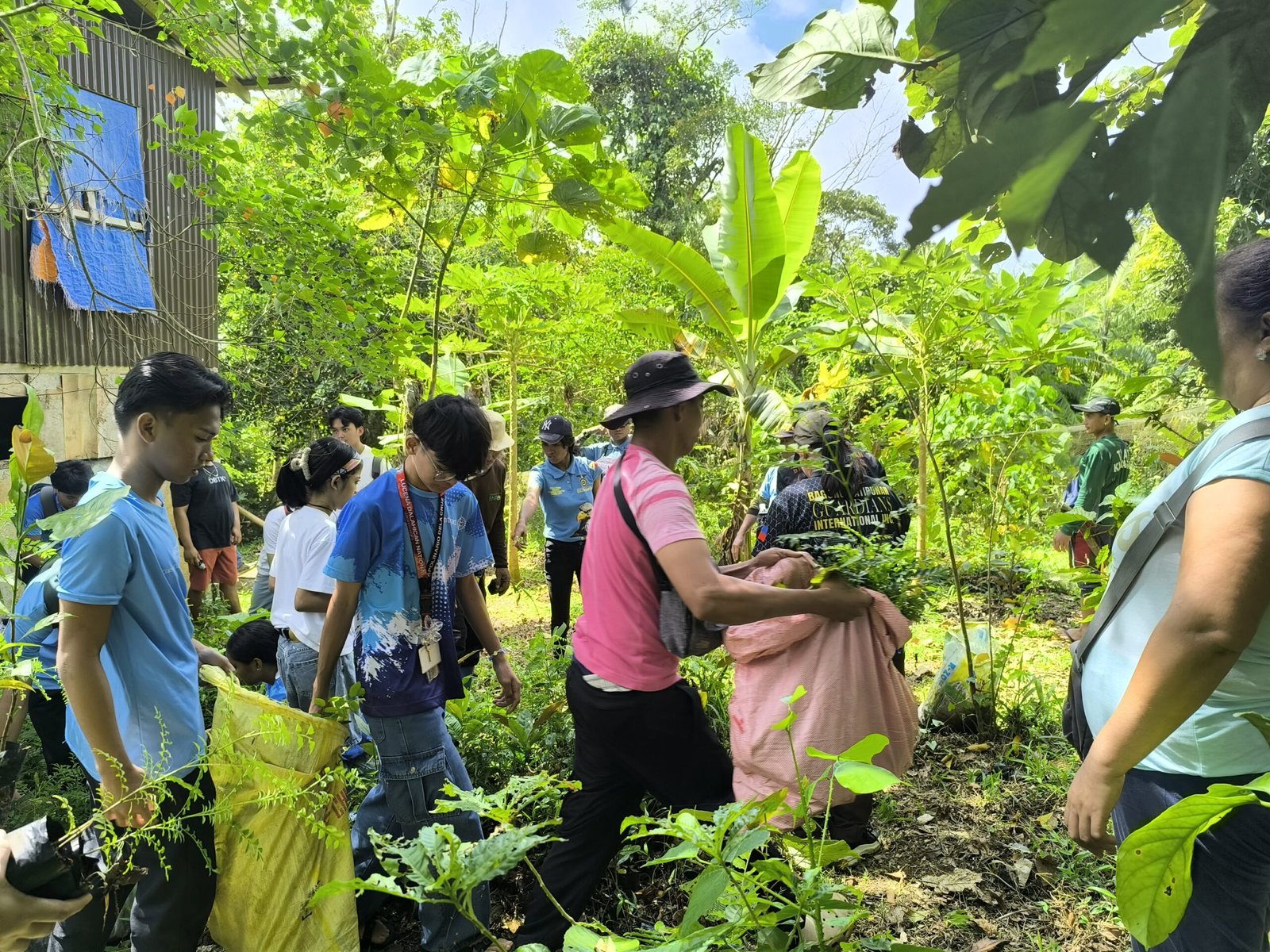
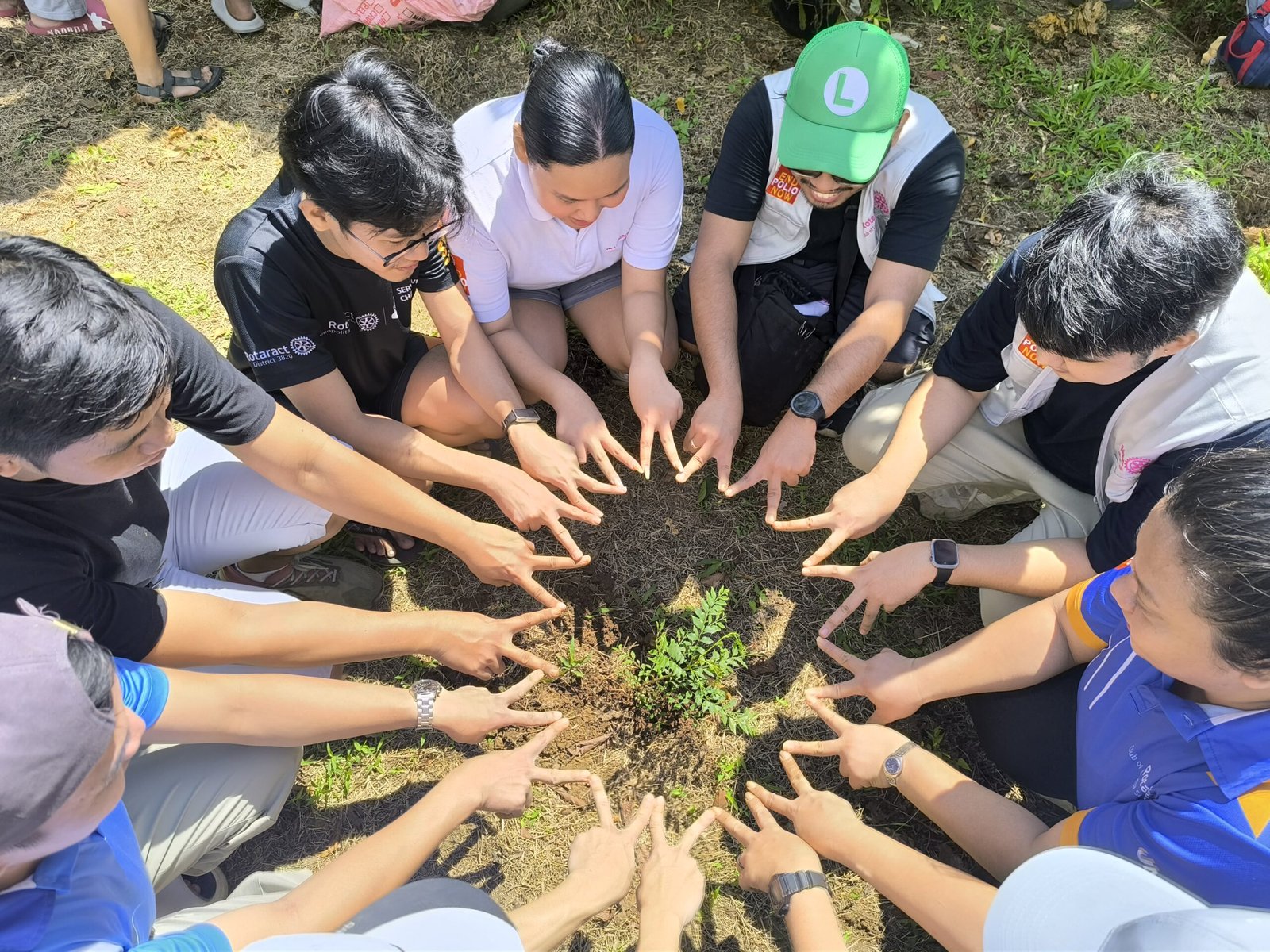
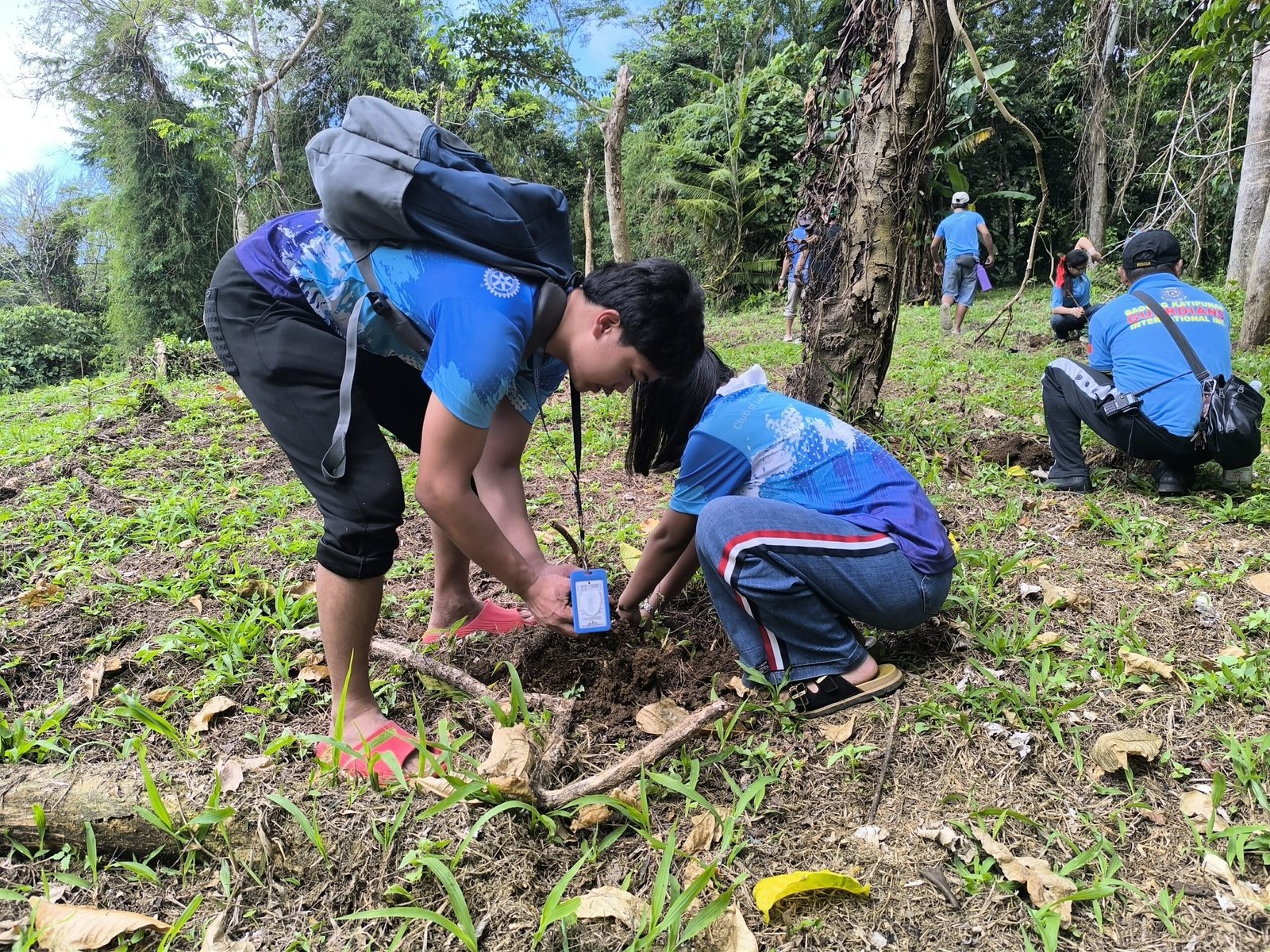
More than just a tree-planting activity, the initiative represents a long-term commitment to restoring degraded forest areas. Volunteers planted native tree species such as narra, yakal, and batino, carefully selected to support the region’s natural ecosystem. Over time, these efforts have begun to bear fruit—literally and figuratively—as signs of ecological recovery emerge.
Local wildlife is gradually returning. Sightings of hornbills (kalaw), monkeys, and wild boars have increased, indicating that the restored habitats are once again becoming safe havens for biodiversity. For many participants, these moments serve as powerful reminders of nature’s resilience when given the chance to recover.
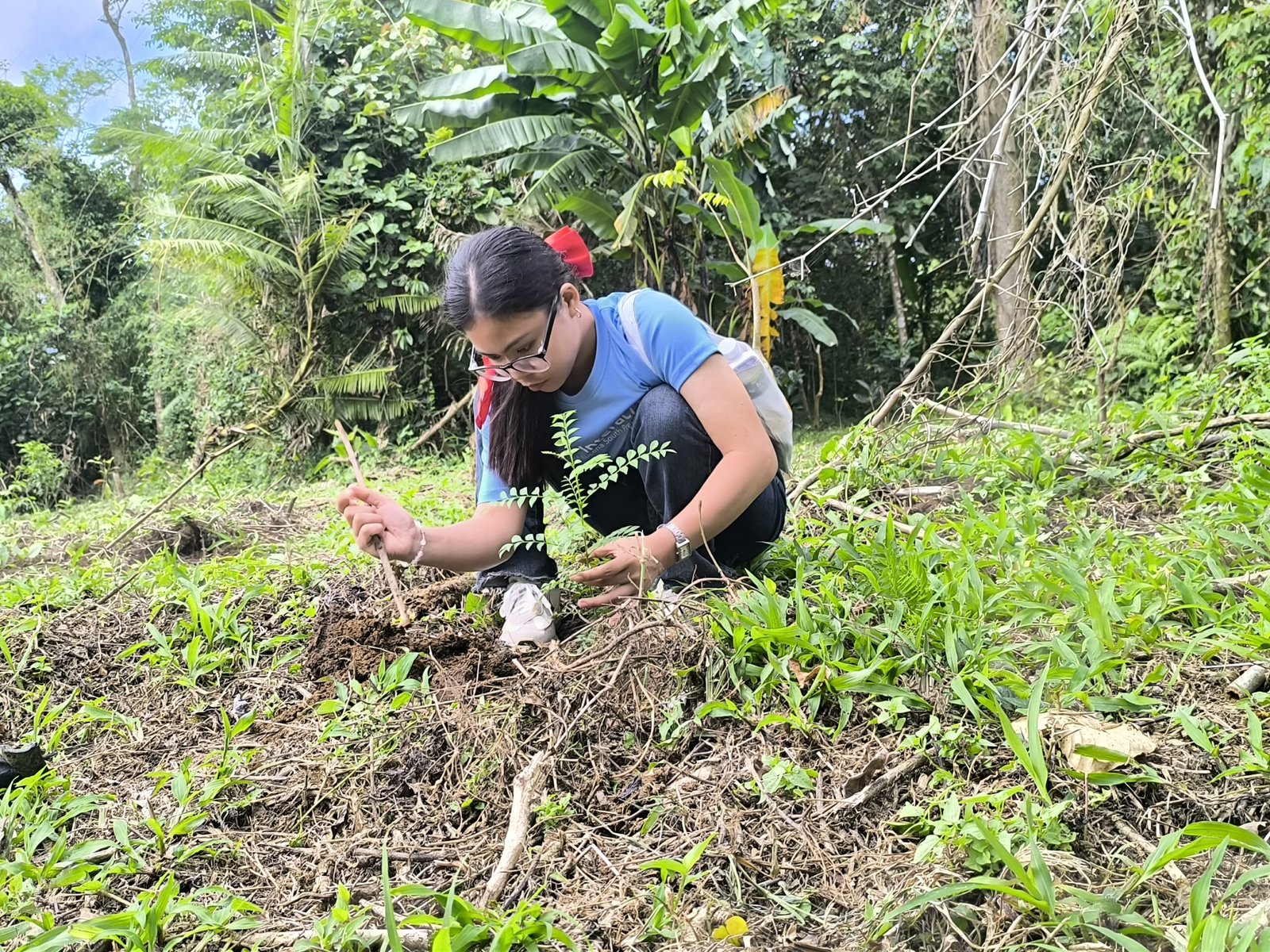
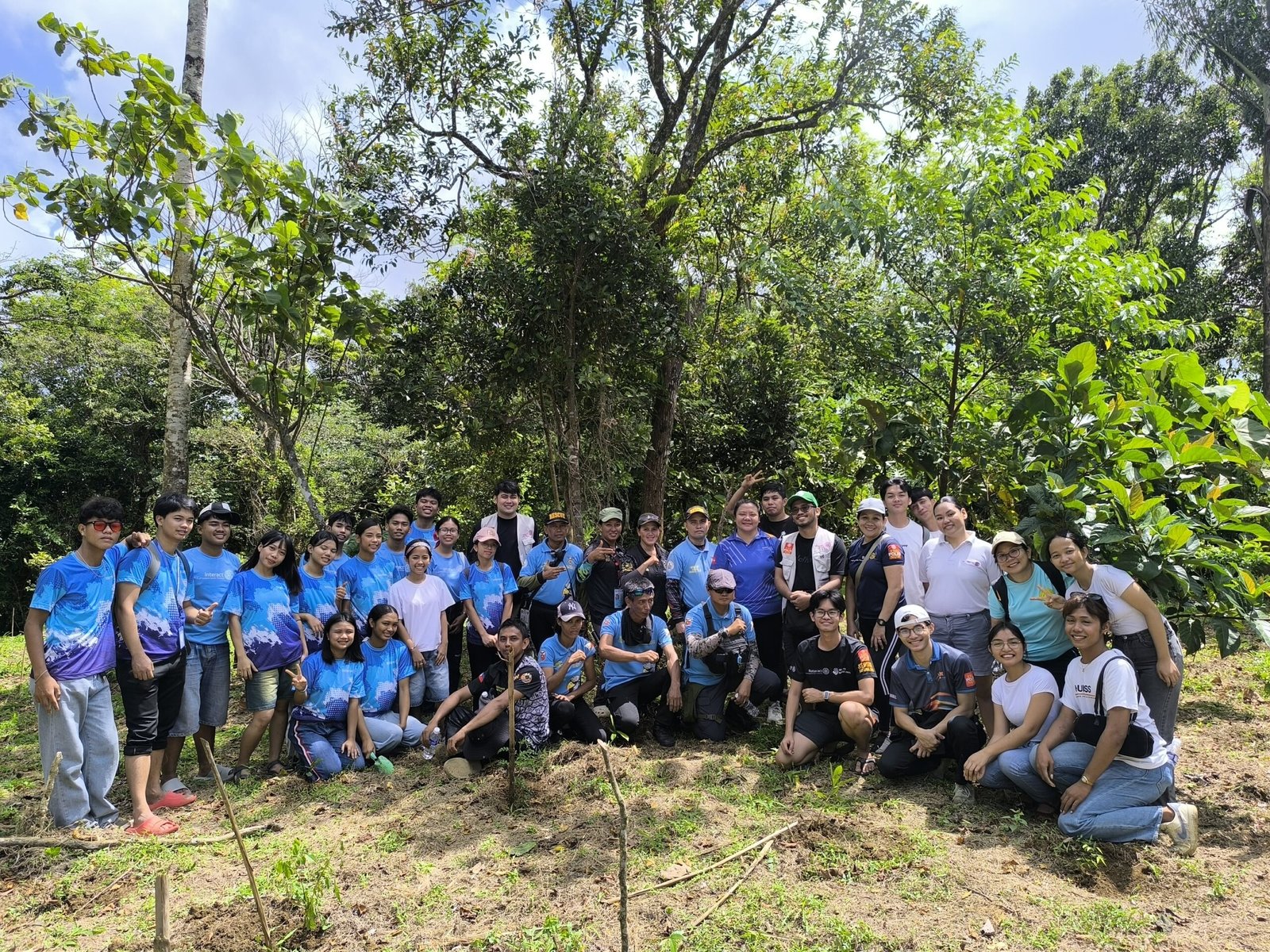
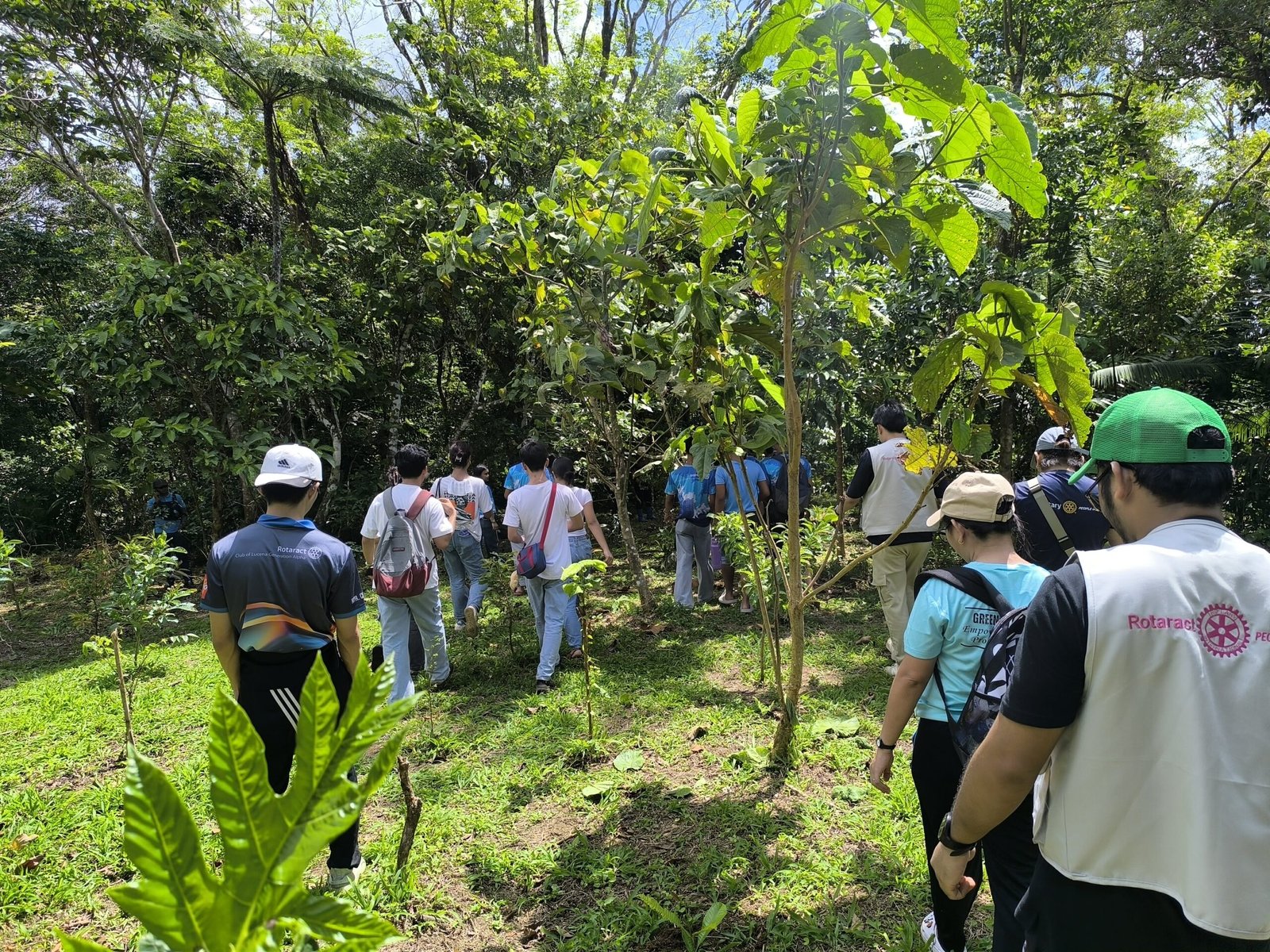
What sets this initiative apart is its strong community involvement. Residents, volunteers, and even visitors of Mt. Banahaw actively participate not only in planting but also in nurturing the trees. Maintenance efforts ensure that seedlings are cared for, reinforcing the idea that environmental protection is a shared responsibility.
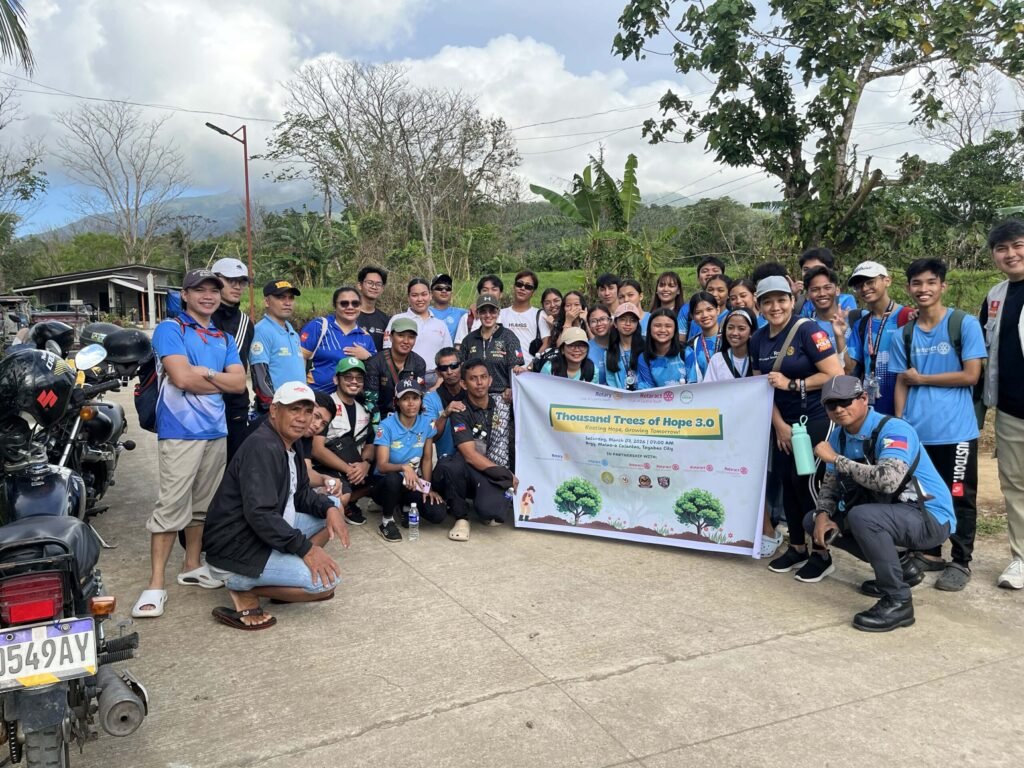
Now in its third year, the project has successfully rehabilitated 18 hectares of forest land. Beyond numbers, however, it has cultivated a culture of environmental stewardship—one rooted in hope, collaboration, and the belief that a greener tomorrow begins with actions taken today.